Choosing the right temperature & humidity test chamber is critical for ensuring your products meet industry standards and perform reliably in real-world conditions. Whether you’re in electronics, automotive, new energy, or packaging, the wrong chamber can lead to inaccurate test results, wasted time, and costly rework. In this 2026 guide, we break down the key factors to consider when selecting a temperature & humidity test chamber, so you can make an informed decision that aligns with your testing goals.
First, define your core testing requirements. Start with the temperature range you need—most industrial applications require -20°C to 150°C, but if you’re testing EV batteries or aerospace components, you may need a wider range (-40°C to 180°C or lower). Next, consider the humidity range: standard chambers offer 20%RH to 98%RH, but low-humidity control (down to 5%RH) may be necessary for sensitive electronic products. Don’t forget to measure your largest test sample, including fixtures, to ensure the chamber’s internal workspace is sufficient—too small, and your test data will be invalid; too large, and you’ll waste energy.
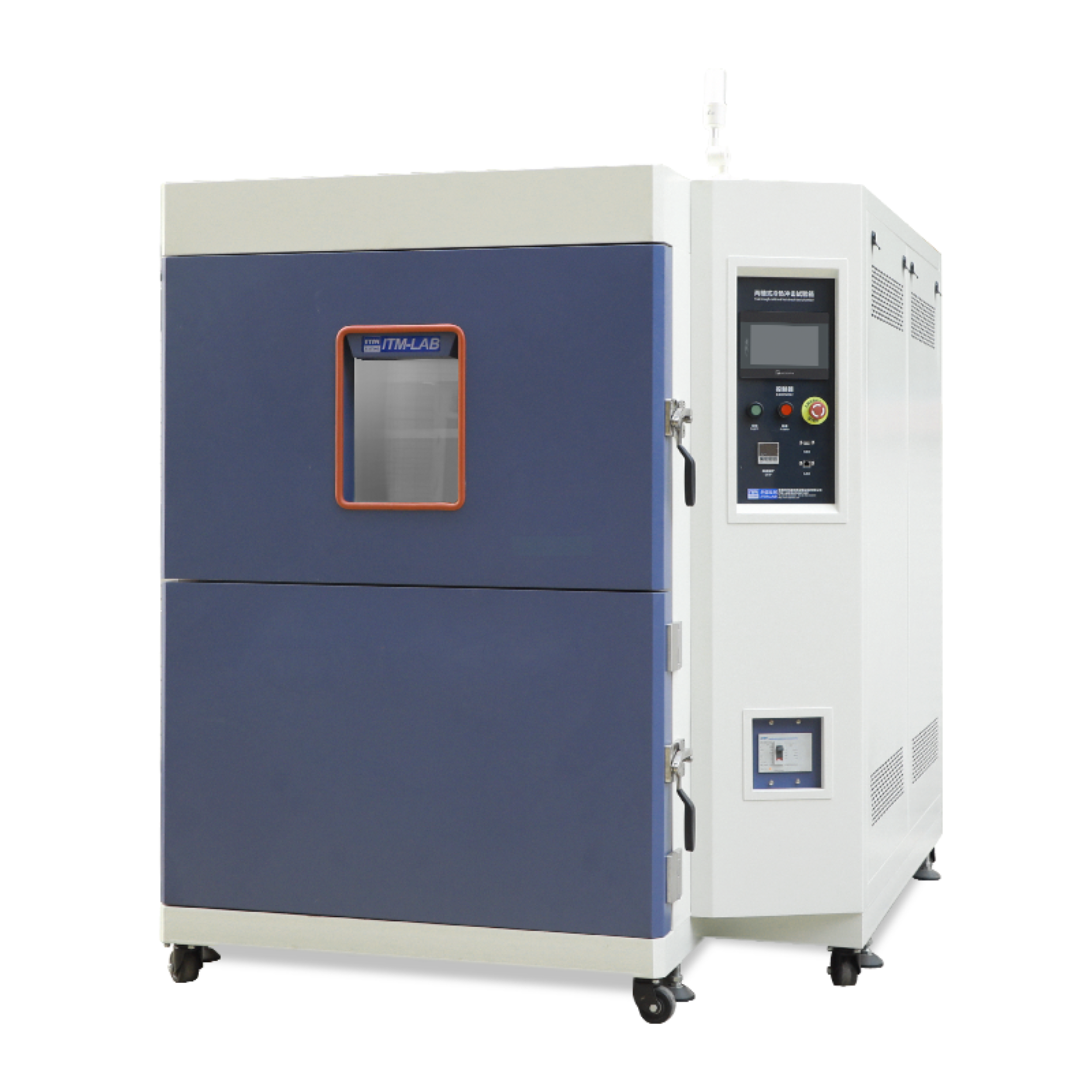
Uniformity is non-negotiable for reliable test results. A high-quality temperature & humidity test chamber should offer temperature uniformity of ≤ ±2°C and humidity uniformity of ≤ ±3%RH. Poor uniformity means different parts of your sample will be exposed to different conditions, making your data untrustworthy. Reputable manufacturers like ITM-LAB Environmental Test Chambers use optimized air duct designs and multiple sensors to maintain consistent conditions throughout the chamber.
Consider the build quality and control system. Look for an inner chamber made of SUS304 stainless steel (rust-resistant and easy to clean) and a durable outer shell. The control system should have a touch screen for easy programming, data logging, and fault self-diagnosis—features that save time and ensure test repeatability. Finally, check compliance with your industry standards (IEC, ASTM, ISO) to ensure your chamber meets regulatory requirements.
By focusing on these factors—temperature/humidity range, workspace size, uniformity, build quality, and compliance—you’ll choose a temperature & humidity test chamber that delivers accurate, reliable results for years to come. ITM-LAB offers a range of environmental test chambers tailored to different industries, with customizable options to meet your specific needs.
